
Kitchen Splashback Tile
What tiles are best for kitchen splashback?
- Ceramic tiles and porcelain tiles are some of the most popular choices for kitchen splashback materials. Moisture-resistant and easy to clean and maintain, these tiles offer a durable, hygienic look to your kitchen space. With a variety of colours and finishes available, you can use ceramic and porcelain tiles to create a design that matches your overall home décor.
What size tiles are suitable for kitchen splashback?
- With the ability to seal your grout, or use a hygienic EPOXY grout, to keep grout lines clean, this makes every tile size suitable for a kitchen splashback. It is now a decision based on your own personal style and what works well in your home. They can be any size from teeny tiny mosaic tiles, to huge slab tiles that can span the whole height and width of your entire splashback. For the DIYer, large tiles also facilitate a quicker, simpler installation.
How to clean kitchen splashback?
- Cleaning your splashback is vital to maintaining a hygienic kitchen space.
- First, use a soapy sponge to clean the tile and grout. Using a combination of PH-neutral cleaner and warm water will work well.
- Using circular motions, work to remove any splatters, grime or dirt.
- You can then wipe the tile and grout areas clean, using a damp cloth to clear away the cleaner residue.
- Finish by using a dry cloth or paper towel to dry your splashback tiles.
What is the most timeless kitchen splashback?
- Depending on your personal preferences, several designs could be considered “timeless.” From contemporary hexagon tiles to white subway tiles, a truly timeless kitchen splashback goes with everything and leaves room for variety using grout colour and installation patterns. To achieve an everlasting look in your kitchen, avoid bold, trendy colours, and opt instead for natural marble and stone tiles or simple whites and neutral tones.
What is the latest trend for kitchen splashback?
- 2022 has seen the rise of several popular backsplash trends. From luxury marble mosaics to KitKat styles, there are plenty of kitchen splashback designs around to inspire and excite renovators:
- Classic marble mosaic splashbacks are always popular, providing a timeless look with shapes like fan tiles, penny round tiles, and herringbone tiles.
- Gaining popularity this year is the KitKat or Finger mosaic design. These patterns can be created with materials like marble and crackle glaze tiles to achieve a striking splashback in the kitchen.
- For those seeking a modern look, extra-large tiles are a smart choice for kitchen splashbacks. Incredible to look at and easy to clean, these tiles are both functional and aesthetically pleasing. They also use minimal grout, so you do not need to worry about maintenance.
Overview
If great design is a marriage of form and function, splashbacks are a designer’s dream. The purpose of a splashback is embedded right in its name: a splashback protects your wall from unintentional splashes, spills or stains. In addition to protecting your walls against water damage, good splashbacks provide a hygienic and durable surface that is easy to wipe down.
Visually, splashbacks offer brilliant design opportunities. Splashbacks are often the focal point of a room and can transform a tired-looking space dramatically with minimal effort. Splashbacks are also a great opportunity to experiment with different colours and patterns to create a focal point that’s a bit fun and reflects your style and personality. When choosing a splashback, there are two key things to consider: The functionality your room requires Your style and design goals for the splashback and overall room
Tools & Materials
Tools
How-To Steps
Step 1: Choose the right material
Some of the most common materials for kitchen splashbacks include tiles, metal, glass, stone and mirror. Using the same material as your benchtop is also an option that can create a lovely consistent look in the kitchen. Before getting into material selection it is important to note that cooktops need to be a certain distance away from a splashback which can vary depending on the material chosen. If your cooktop is already installed you may be a bit more limited in your material selection, thankfully tiles are one of the most durable and long lasting material selections that meet the standard regulation for this distance.
Think about cleaning when you are selecting your splashback material. Glass, mirror, stone and metal give a sleek contemporary result but can be tougher to keep maintained and might need special care that a tile wont. Larger tiles will have less grout joins are a great option when it comes to keeping things clean, while a mosaic tile with an epoxy grout is a great option thanks to epoxy grouts built in resistance to stains. Tiles come in an array of options from plain designs to stone and marble looks, there is an option to match all design styles.
Step 2: Select the right colour
You will have already narrowed down your choices if you have selected your benchtop or cabinetry first.
Depending on what you have chosen, you can decide whether you want your benchtop to take centre stage, in which case, you should opt for a more subtle, perhaps even very minimal splashback that won’t draw attention away from the benchtop.
If you have chosen a neutral colour for your cabinetry and benchtop, you could opt for a feature colour for your splashback to add some drama and a focal point to your kitchen.
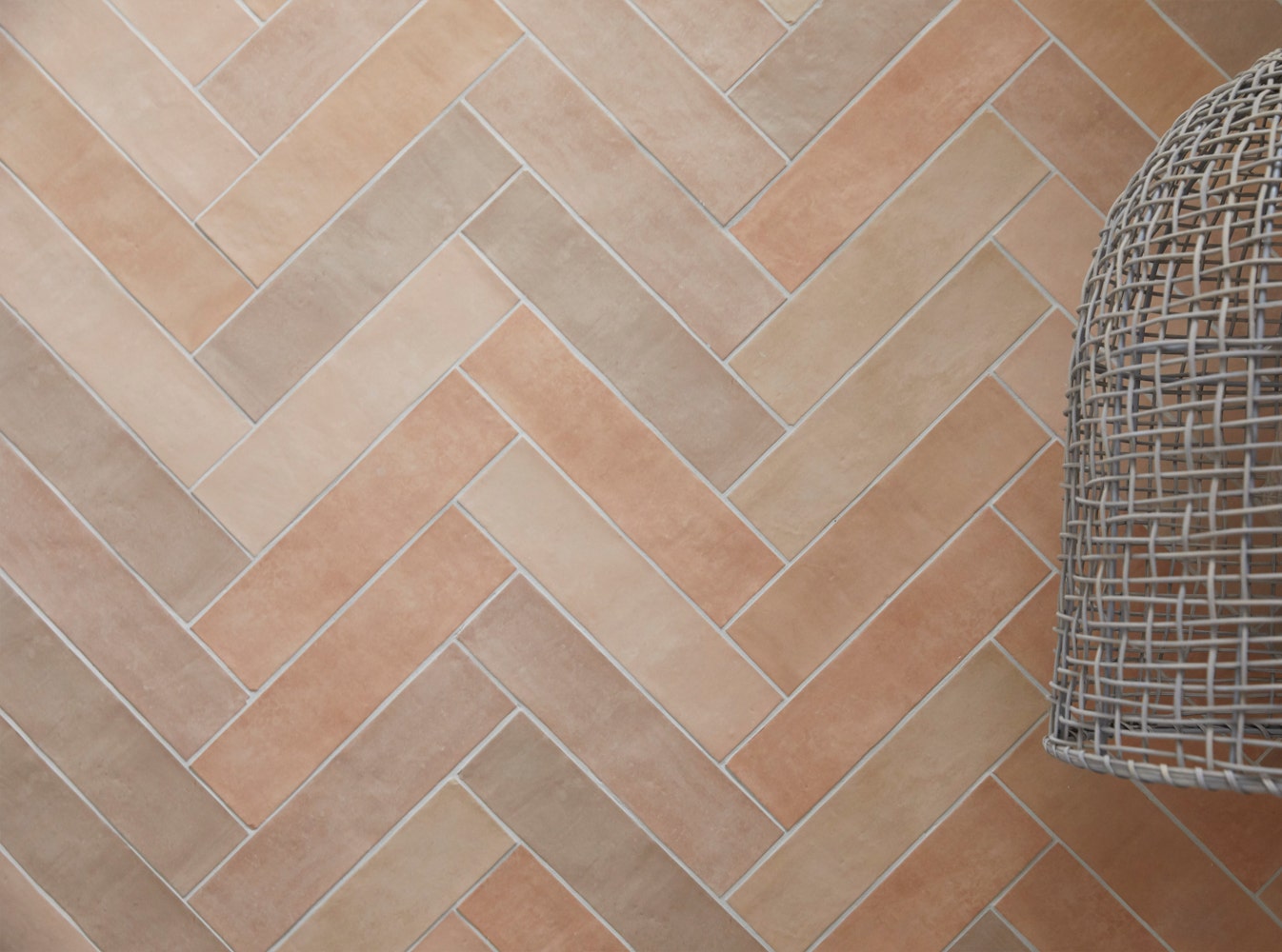
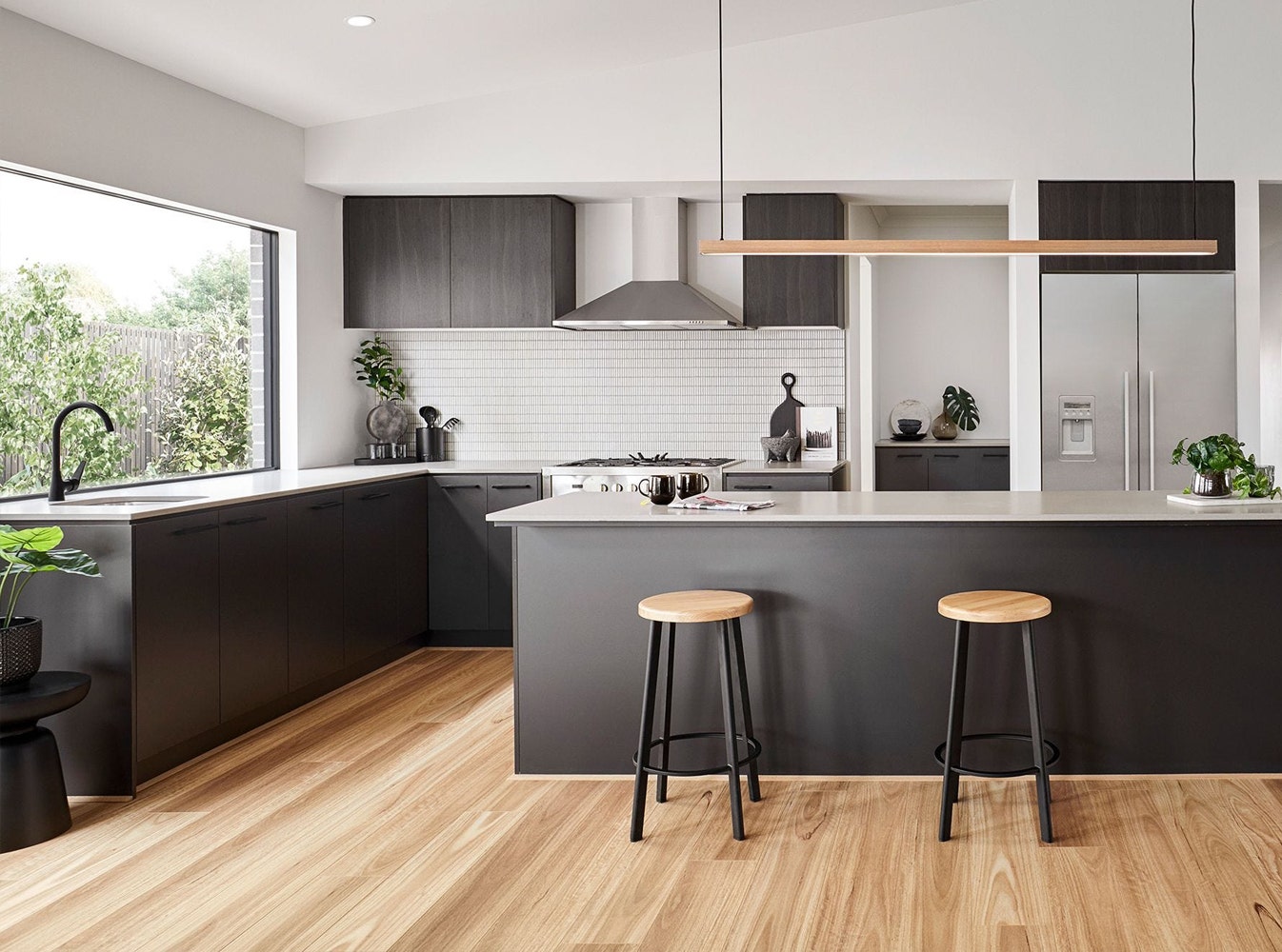
Choose colours that are either similar tones to your benchtop for a more consistent look, or colours that are complementary or contrasting if you want to add interest. This light-coloured tiled splashback is a nice contrast to the darker benchtop, however by choosing similar tones, the look is tied together.
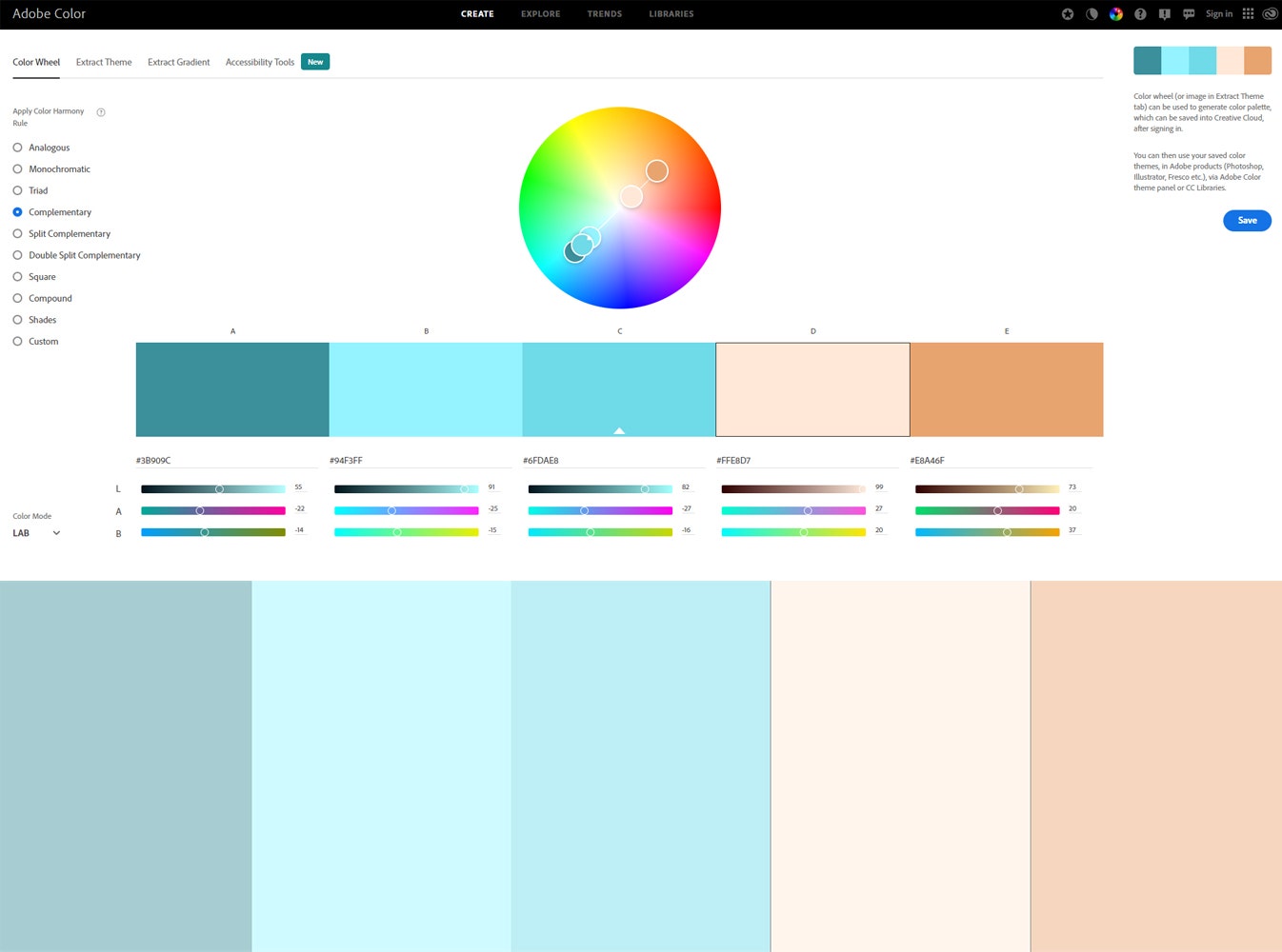
Struggling to pick color that would match with each other? Try Adobe Color or Color Hunt, two great tools that do the job for you, from monochromatic to complementary you can have the perfect match for your colour.
Step 3: Use your splashback and grout to add extra light
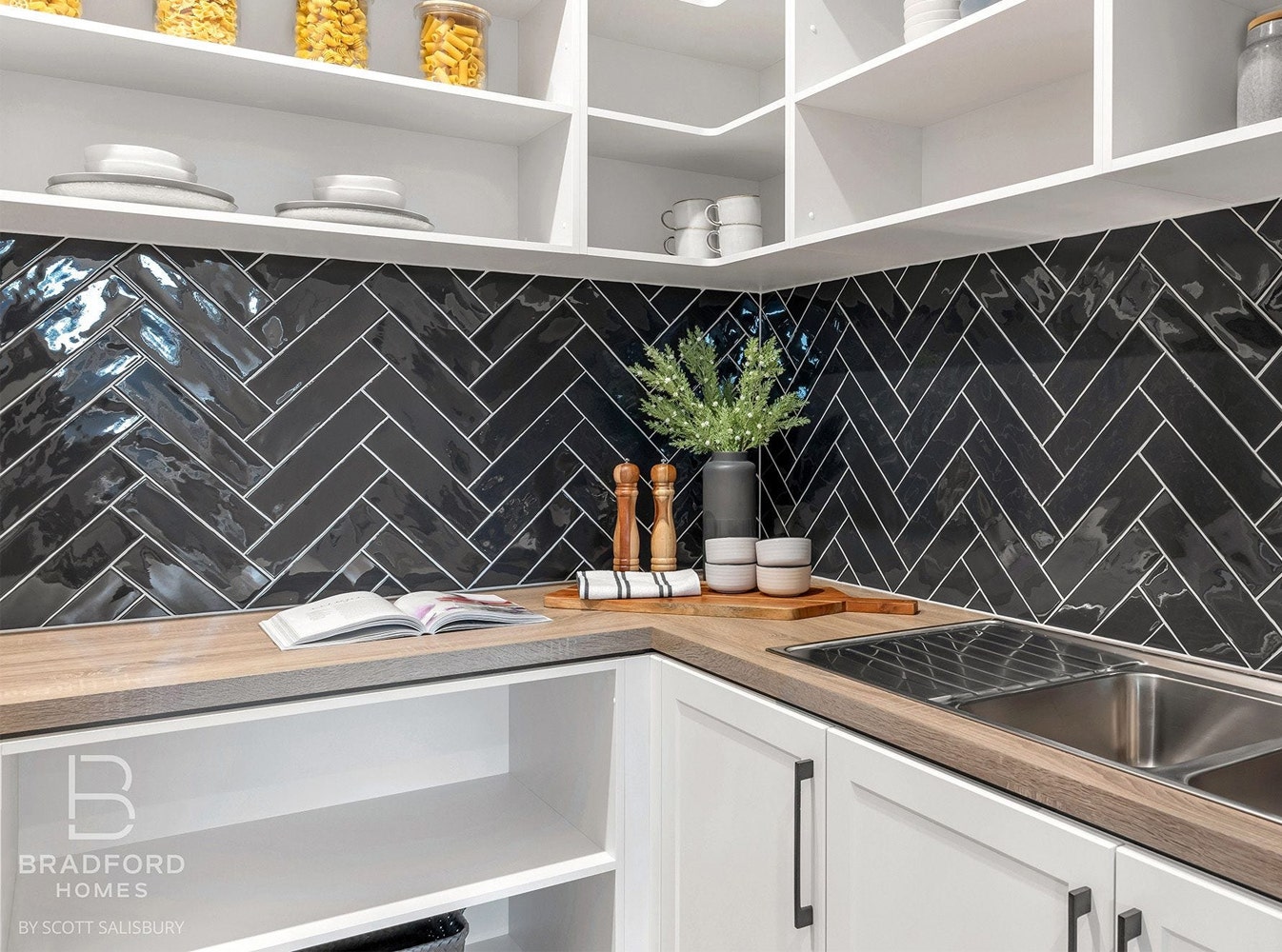
Don’t be afraid to think outside the square like a splashback with an unfinished top. This look creates a striking design element and adds another colour and texture to the wall that can be bright and shinny.
Don’t forget to consider your grout colour. Various colours will bring out different aspects of the splashback tiles and can help to conceal or highlight the spacing between tiles. A contrasting grout colour looks especially beautiful with mosaic tiles. Important to consider is the cleanliness of your grout colour, especially in areas that are likely to experience splashes and splatters like the kitchen and laundry. This is a great way to make a kitchen feel bigger than it really is. It will reflect both natural and artificial light around the room. Plus, it can be a great way to introduce colour.
Another grout tip for the kitchen is to opt for epoxy grout. Epoxy grout is used in commercial grade kitchens so you know it is tough. It is a water based polymer that is resitant to stains, mould and mildew. If using a general cement based grout make sure you seal it while clean straight after installation, this will protect it from stains and make on going cleaning a breeze.
Step 4: Try a feature splashback Tile
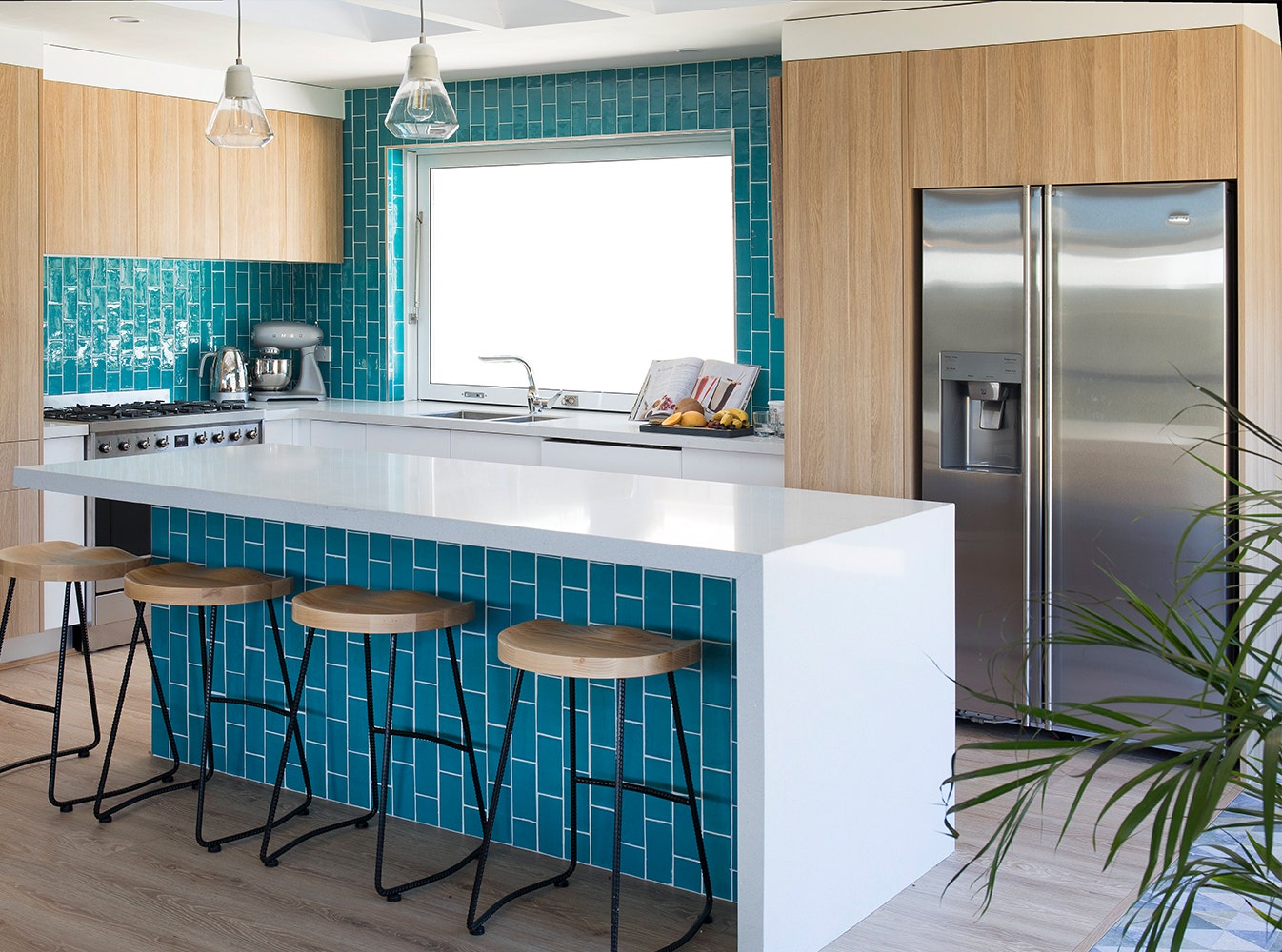
You may already have your heart set on a bold splashback colour, an eye-catching tile or you may even want to consider a splashback with a texture. You can design the rest of your kitchen around this!
Choose a benchtop colour that will complement your feature splashback but won’t fight it for attention – allow your spectacular splashback tiles to take centre stage in the kitchen.
Consider having a shorter splashback in lighter work areas and a full-height splashback behind the cooktop (this will save on cost considerably if you’ve opted for stone, for example) and also looks quite smart.
Step 5: Do not rush if you are not sure
If you are really struggling with splashback choices, rest assured that you don’t need to decide straight away.
Visit your local Beaumonts showroom and any of our experts would gladly help you takea decision.
Your new splashback will be one of the last components to be installed in your new kitchen, so you will have an opportunity once your cabinets and benchtop have been installed. Once they’re fitted, you can assess the overall look of your new kitchen, which can be difficult to visualise in the planning stages. This will help you to decide what tile and colour to choose to tie the whole look together.
Comments
0 comments
Please sign in to leave a comment.